
Factors To Consider Before Buying Heavy Construction Equipment In Chesapeake
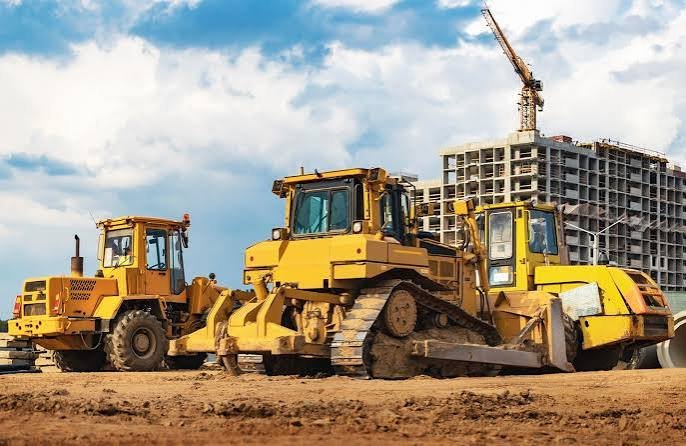
The acquisition of heavy construction equipment is a substantial investment for any construction company, developer, or contractor. In Chesapeake, equipment may be used for everything from site preparation and excavation to roadwork, utility installation, material handling, and commercial development. The right machine can improve productivity for years, while the wrong purchase can create unnecessary operating expenses and delays. Rather than exclusively concentrating on the initial purchase price, purchasers should evaluate the extent to which a machine is compatible with their long-term business plans, working conditions, maintenance capabilities, and projects. A careful evaluation before purchasing can help a construction company build a more dependable and productive fleet. Start With The Work The Machine Will Perform The first consideration should be the actual job the equipment needs to accomplish. An excavator designed for major earthmoving operations may be unnecessary for smaller utility projects, while an undersized machine could struggle with demanding excavation work. Think about digging depth, lifting capacity, operating weight, horsepower, attachment requirements, and expected daily workload. Contractors handling several types of projects may benefit from equipment that can accommodate different attachments and perform multiple tasks. Chesapeake projects can range from residential development to infrastructure and industrial work. Choosing machinery around real operating requirements helps prevent paying for capabilities that are rarely used. Consider Local Job Site Conditions Equipment performance can change considerably depending on the environment where it operates. Ground conditions, available working space, access points, weather, and transportation requirements should all influence a purchasing decision. Chesapeake’s coastal location also makes drainage, wet ground, and changing site conditions important considerations on some projects. Machines that offer appropriate traction, stability, and maneuverability can make work easier when conditions become challenging. Buyers comparing options through a Volvo equipment dealer in Chesapeake can discuss the types of projects they regularly undertake and determine which equipment specifications are suited to their working environment. Looking beyond basic machine size can lead to a purchase that performs more effectively on everyday job sites. Calculate The Total Cost Of Ownership Purchase price is only one part of equipment ownership. Fuel consumption, routine servicing, replacement parts, tires or tracks, insurance, transportation, financing, and eventual resale value all affect the real cost of a machine. A less expensive piece of equipment is not necessarily the most economical choice over several years. If it consumes more fuel, experiences frequent downtime, or requires expensive repairs, its long-term cost may exceed that of a higher-priced alternative. Estimating operating costs based on expected annual hours provides a more realistic comparison between machines. Compare New And Used Equipment Carefully Both new and used construction equipment can offer advantages. New machinery generally provides access to current technology, manufacturer warranties, updated operator features, and a known service history. This can be valuable for companies expecting to use the equipment heavily. Used equipment may offer substantial upfront savings and can make sense for businesses expanding their fleets or purchasing machines for occasional use. However, condition matters more than age alone. When considering used machinery, review operating hours, maintenance records, hydraulic components, engine condition, undercarriage wear, attachments, and signs of previous damage. A professional inspection can reveal problems that may not be obvious during a quick visual assessment. Look At Operator Comfort And Controls Operator experience can directly influence productivity. Construction professionals may spend many hours inside a machine, so visibility, seating, climate control, control layout, vibration, noise, and cab accessibility deserve attention. An operator who is comfortable and familiar with the controls may work more consistently throughout the day. Modern equipment may also include cameras, monitoring systems, automated functions, and other technologies intended to simplify certain tasks. Whenever possible, allow experienced operators to provide feedback before making a final purchasing decision. Check Parts And Service Availability Even well-maintained heavy equipment eventually requires servicing and replacement components. Before buying, determine how easily parts can be obtained and whether qualified technical support is accessible in or around Chesapeake. Waiting several days for an essential component can interrupt a project and leave expensive machinery sitting idle. Local access to maintenance expertise can therefore be just as important as the equipment itself. Ask about preventive maintenance programs, parts availability, technician support, warranty coverage, and expected service turnaround. These factors become increasingly important as equipment accumulates operating hours. Think About Transportation Between Projects Heavy machinery often needs to move between multiple job sites. Buyers should consider machine dimensions and operating weight in relation to their existing trailers and transportation arrangements. Purchasing equipment that requires entirely new hauling capabilities can introduce costs that were not included in the original budget. Understanding transportation requirements beforehand helps companies plan more accurately. Consider Future Business Needs Construction equipment should support more than the next project whenever possible. Think about the type of work the company expects to pursue during the next several years. A growing contractor may need machinery capable of handling larger projects or supporting additional attachments in the future. Selecting adaptable equipment can provide greater value as business requirements change. Making A More Informed Equipment Investment Buying heavy construction equipment in Chesapeake requires balancing performance, cost, reliability, service access, and future usefulness. Specifications and purchase prices are important, but they should be evaluated alongside operating expenses and real job site demands. Taking time to compare machines, inspect available options, calculate ownership costs, and consider local support can reduce the risk of an unsuitable purchase. When equipment is selected according to both present workloads and future plans, it becomes more than another fleet asset. It becomes a practical investment in productivity, project consistency, and long-term construction operations. Thomaswww.meebhoomiap.net