

Dental Implants As A Long-Term Approach To Replacing Missing Teeth
Dental Implants

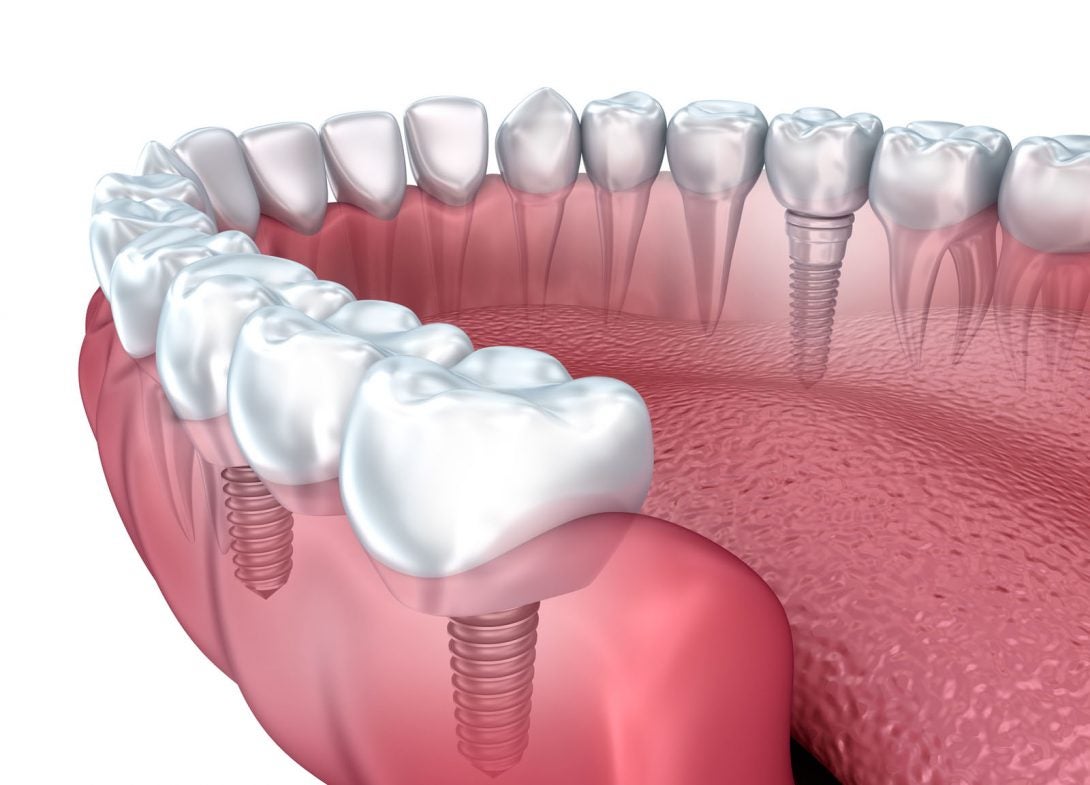
Losing a tooth may do a lot more than affect your smile. Gaps in your smile may alter the way you eat, talk, feel inside your mouth and the way your remaining teeth come together. Over time, changes may also occur in the jaw and tissues around the teeth. Dental implants are an essential therapeutic option in patients who want to replace lost teeth in a more permanent fashion. Dental implants are designed to replace a missing tooth from the bottom up, as opposed to removable solutions that rest on top of the gums. They support a dental crown, bridge or implant-supported restoration and may be a long-term part of a well-thought-out strategy for your oral health. Understanding How Dental Implants Work A dental implant is a tiny metal post implanted in the jawbone to replace a lost tooth. It may be utilised as a false root of a tooth and provides a firm basis for the replacement tooth that is visible. Once implanted, the implant steadily grows into the surrounding bone as the body recovers. Those considering Sydney Dental Implants will be given a complete assessment prior to the operation. This usually involves an assessment of the individual’s dental health, the quantity of bone available, the condition of the gums, the medical history of the individual and the location of the lost tooth. These factors may help the dentist decide whether implant therapy is for you and how to arrange it. One size does not fit all in the case of treatment. Some individuals only require one implant; others may need more than one to support a complete set of replacement teeth. A Long-Term Focus On Tooth Replacement They are built to endure, and it is one of the major reasons why individuals choose dental implants to replace their missing teeth. Traditional removable dentures may need refitting as the mouth changes, and traditional bridges tend to rely on adjacent teeth for support. Dental implants are different because they have the jawbone itself to support them. With proper planning, skilled maintenance and excellent oral health, implants can secure new teeth for a lengthy period of time. But life should never be viewed as a promise that implants continue forever. Long-term results may be influenced by gum health, oral hygiene, smoking, general health, biting power, and receiving regular dental treatment. Patients should be made aware that implant therapy is not a one-off event but a long-term commitment to their dental health. Supporting Comfortable Everyday Function The missing teeth might make it difficult to bite or chew certain meals. People may start to prefer one side of their mouth or avoid items that require more energy to chew. New teeth to replace the ones that are missing may give you the chance to chew more evenly again. Implants are cemented into the jaw; therefore, implant-supported fillings are created to remain in place while you go about your daily business with your mouth. If your false teeth are giving you trouble or are difficult to care for, then this security can be of interest to those looking for Sydney Dental Implants. Planning your treatment is still extremely essential since the ultimate outcome relies on such variables as the position of the implants, the quality of the bone, the design of the restoration, and the health of the neighbouring teeth. Jawbone Health After Tooth Loss Under normal biting and chewing, the natural roots of the teeth put pressure on the jawbone surrounding them. When you lose a tooth, that region is no longer receiving the same input. Over time, this might modify the bone thickness. Dental implants are not like tooth substitutes that merely sit on the gums. They work with the jawbone in a different manner. The implant, when placed into the bone, serves as the foundation for the restoration at the site of the original root. “Before we put in an implant, we have to check the bone. If there is not enough bone before or during therapy, further surgery can be an option. How to accomplish anything “right” depends on the particular health circumstance. Replacing One Or Several Missing Teeth Implant therapy for various forms of tooth loss may be customised. If you are missing one tooth, one implant and a cap may replace it. Instead of placing a separate implant for every single tooth, an implant may sometimes support a bridge when numerous teeth are missing. Full arch crowns supported by implants are also a possibility for those who have lost a number of teeth. When considering Sydney Dental Implants, it is essential to keep in mind that the number of implants required is determined by clinical requirements, not merely the number of lost teeth. A tailored treatment plan helps to determine the optimal restoration based on function, available bone, oral health and maintenance over time. Caring For Dental Implants Over Time Dental implants don’t acquire cavities like natural teeth, but you still have to be extremely careful with the gums and bone surrounding the implants. Plaque accumulation surrounding an implant may cause it to expand and potentially damage the muscles that hold it in place. So, it’s crucial to brush your teeth every day, clean the gaps between your teeth well and receive frequent expert inspections. Also, people need to do precisely what their dentist advises them to do during cleaning. At frequent checkups, the implant, restoration, gums, bite and surrounding teeth may all be checked. Treating alterations when they are first seen makes them simpler to treat and helps the health of the mouth in the long term. Making An Informed Treatment Decision Dental implants may be a solid and long-term option for replacement of lost teeth, but not everyone may be a suitable candidate for them. A comprehensive examination enables patients to discuss the many phases of treatment, healing time, potential dangers, expenses, maintenance demands and alternative options for tooth replacement. When thinking about dental implants in Sydney, concentrate on a complete examination and custom planning … Read more
How Advanced Skin Laser Technology Improves Everyday Skin Concerns?

Laser Technology

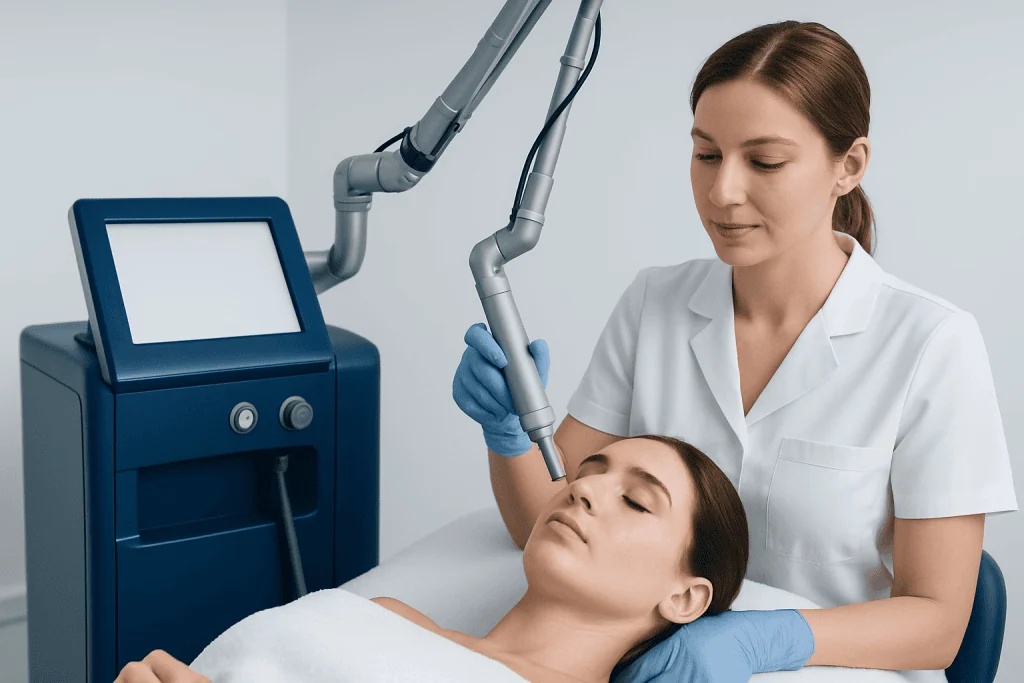
Healthy skin faces many issues on a daily basis. In the long run, we can see wear and tear inflicted by sun, pollution, stress, hormonal changes and natural aging. Many of us face skin issues that can’t just be solved by skincare products because they have a considerable level of severity, like hyperpigmentation, persistent redness, open pores, acne scars and dullness. Thanks to cutting-edge technology, advanced skin lasers have revolutionised modern aesthetic care by providing focused solutions to many of the most common problems associated with skin. Laser treatments penetrate more layers to allow your skin to heal and regrow itself naturally, in contrast to temporary cosmetic interventions. Therefore, they are an excellent option for individuals who want their skin to appear healthier while still looking its best. Moving Beyond Traditional Skincare The basics of cleaning, moisturising, and sun protection are all still necessary for keeping skin healthy every day. The fact that some problems occur deep within the face, where creams and serums have no power to reach. For more persistent concerns, like uneven pigmentation, loss of collagen or long-lasting acne scars, deeper treatments are required. Advanced laser delivery technology fills in this gap by directing precision energy toward focal points. The treatment enhances the body’s natural healing process while minimising damage to the surrounding tissue. The skin heals on its own, and many of those common flaws become less visible after some time. Addressing Everyday Skin Problems The increasing popularity of lasers in treating so many skin problems simultaneously is the main factor driving growth. Laser systems have evolved to improve the quality of your skin as a whole, not just one issue at a time. Laser technology is often used as a solution to various issues, such as:  •         Shades of different colours. •         Skin hurt by the sun. •         Skin that feels rough. •         Very thin lines. •         Bigger pores. •         A little redness. •         As we age, these include skin changes. Since everyone’s skin reacts differently, treatment settings are specifically adjusted according to preferred results and each person’s individual skin type. Encouraging Stronger, Healthier Skin One of the major benefits of modern laser technology is that it also accelerates the naturally regenerative processes already occurring in your skin. Laser vitality does more than just eliminate visual imperfections. It also supports the body in producing more collagen and elastin just beneath the skin. These are crucial proteins that help ward off the development of wrinkles and keep the skin smooth, flexible, and strong. The skin gets stronger, more resilient, and better able to keep its youthful appearance as collagen progressively rebuilds.  This biological enhancement is often prolonged for weeks or months following the therapy, creating outcomes that seem progressive and natural. Improving Skin Without Major Downtime Many people will not have cosmetic procedures done because they are afraid of long recovery periods. Many treatments today have been further improved to require significantly reduced rest as a result of enhancements in laser technology. But according to the laser system and treatment, the patient will feel only heat or mild sensitivity for just a few minutes before returning to normal life. This is what makes laser treatments ideal for busy individuals or those with active lifestyles. Getting the aftercare directly will assist in ensuring that the appropriate actions are recognised and pursued, making it possible for recovery to go as smoothly as possible. Personalised Care Makes The Difference Just because you use the state-of-the-art technology does not mean that we are going to be successful. These days, skin analysis and specialised planning are still an integral part of every treatment journey. The doctors at the Medical Aesthetics 360 skin clinics analyse the conditions of patients’ skin, past experience, and personal goals before recommending proper laser procedures. This custom approach ensures that treatments are disease-specific to each patient and not just a one-size-fits-all response. Customised treatment flexibility gives you the ability to notice incremental improvement while maintaining the balance of your face and skin’s inherent function. Maintaining Results After Treatment Laser treatments are a wonderful first step in getting your skin healthier; however, to achieve long-term effects, just like exercise and healthy eating habits, you have to maintain your skincare routine. Protection from environmental damage on a daily basis helps maintain the benefits gained during treatment. Basic upkeep involves gentle skin care products, keeping hydrated with water, applying broad-spectrum sunscreen and avoiding the sun whenever possible. Practitioners can then monitor progress and recommend maintenance treatments as indicated with periodic check-up visits. Your best bet at seeing lasting skin improvements over time is a combination of professional laser care alongside daily habits that you practice. A Confidence Boost Through Healthier Skin Visible skin conditions usually impact more than your appearance. They may weaken your confidence at work, in social settings, and when you are just going through the everyday motions. Helping the quality of skin to ensure people can feel their best without an avalanche of makeup or quick fixes. Due to the fact that laser technology promotes the body’s healing processes, these changes normally proceed gradually and harmonise with a person’s natural appearance. It’s about restoring the skin to a healthy, clear and balanced state — not completely altering what the face looks like. Conclusion Laser technology has advanced to a position where it can treat virtually all common skin complications like the irregularities in texture, skin pigmentation and other early signs of age. This means that the benefits of laser treatments are not merely limited to surface changes. They accomplish this by promoting natural skin renewal, stimulating collagen production and accurately targeting localised imperfections. The importance of getting personalised care, setting realistic goals, and following through with the right aftercare can lead to healthier skin that looks and feels better, enabling people to be more confident in their daily lives. Thomaswww.meebhoomiap.net