
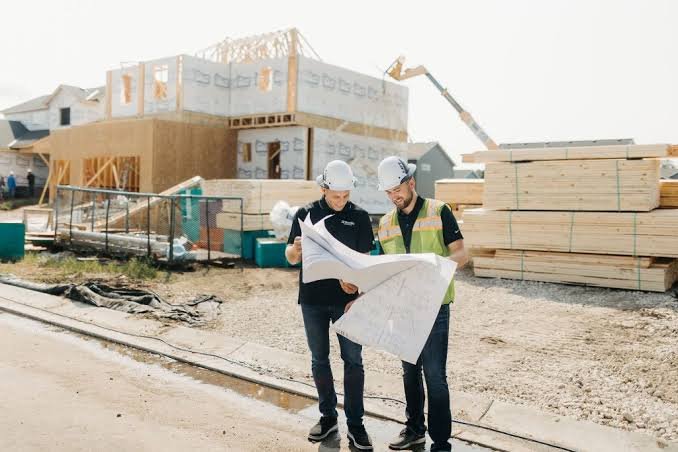
Buying a freshly built house is a thrilling chance to take advantage of cutting-edge technology, modern architecture, and living areas created for modern lives. Stylish finishes and appealing interiors shouldn’t be the only considerations when making a house purchase, however. A property’s long-term comfort and functionality are determined by its construction quality, structural dependability, energy efficiency, and useful design elements. Knowing these factors enables purchasers to make wise choices and steer clear of unforeseen upkeep costs after they move into their new residences.
Building Materials And Structural Integrity
One of the most crucial elements of high-quality building is the structural basis of a house. The materials utilized for external walls, roofing, framing, and foundations should be inspected by buyers. Long-term property performance, weather resistance, and durability are all influenced by high-quality building materials.
Buyers should think about how builders handle local weather conditions, such as snowfall, temperature swings, and high winds, while looking at new construction homes Colorado Springs. Effective drainage systems, dependable roofing materials, and enough insulation all help shield residential buildings from environmental threats.
Asking for details on building supplies, construction techniques, and inspection records may boost your trust in the general quality of the property.
Standards For Insulation And Energy Efficiency
For contemporary purchasers, energy efficiency has become a crucial factor. Insulation, effective HVAC systems, and windows that reduce needless energy use are all features of well-designed houses.
Buyers should evaluate the level of insulation in attics, walls, and ceilings. With the right glass, energy-efficient windows may enhance interior temperature management and lower the need for heating and cooling.
Programmable thermostats, energy-efficient appliances, and sophisticated ventilation systems are further features of modern architecture. In addition to promoting pleasant interior environments, these elements may save monthly electricity costs.
Before making a purchase, knowing a property’s energy performance might provide important information about future running expenses.
Functionality Of The Floor Plan And Use Of Space
More than just aesthetic appeal, an appealing floor layout should be provided. Good residential design takes into account how people move between rooms, use common areas, and preserve privacy throughout the house.
Open living spaces may foster a friendly atmosphere for hosting visitors and family activities. Buyers should, however, also consider the location of the bedrooms, the availability of storage, the size of the hallways, and the accessibility to outdoor areas.
A home’s long-term utility may be increased with adaptable rooms that support hobbies, remote employment, or shifting family needs. A well-thought-out plan should strike a balance between practical separation between various living spaces and openness.
HVAC, Electrical, And Plumbing Systems
Daily comfort and maintenance needs are greatly impacted by mechanical systems. The quality and standards of electrical wiring, plumbing installations, and heating and cooling systems should be understood by buyers.
Plumbing systems should have accessible shutoff valves, adequate drainage, and dependable water pressure. Modern appliances, home office equipment, and any future technological advancements should all be supported by electrical systems.
Systems for air conditioning, heating, and ventilation should be the right size for the home. System performance may be enhanced and future service made easier with professional installation and easily accessible maintenance components.
Before making a purchase, it’s crucial to review equipment warranties and maintenance recommendations.
Construction Workmanship And Interior Finishes
The first image of a freshly constructed home is often shaped by interior finishes, but craftsmanship merits equal consideration. The installation of flooring, cabinet alignment, wall finishes, doors, and window functionality should all be inspected by buyers.
Areas that need to be corrected may be indicated by uneven surfaces, ill-fitting fittings, or inconsistent finishing touches. Both look and daily usefulness are enhanced by high-quality craftsmanship.
Additionally, buyers should consider flooring materials, moisture-resistant finishes in kitchens and bathrooms, and countertop longevity. Choosing useful materials may lower maintenance requirements and maintain the aesthetic appeal of the house.
Considerations For Outdoor Design And Drainage
Outdoor areas are significant additions to home life. Drainage systems, patios, landscaping, and driveway construction should all support practical usage while enhancing the home’s architecture.
In addition to preventing moisture buildup, proper grading helps divert precipitation away from foundations. Buyers should look at external surface materials, drainage paths, and gutter placement.
Additionally, outside spaces have to provide enough room for leisure, rest, and upcoming landscape enhancements.
Conclusion
A freshly built home’s structural materials, energy efficiency, functional layouts, mechanical systems, and finishing touches must all be carefully considered. Buyers may have a greater understanding of a property’s long-term worth, comfort, and longevity by looking beyond ornamental characteristics. A new house may be guaranteed to provide both instant satisfaction and reliable performance for years to come with careful inspections, careful comparisons, and open communication with builders.