
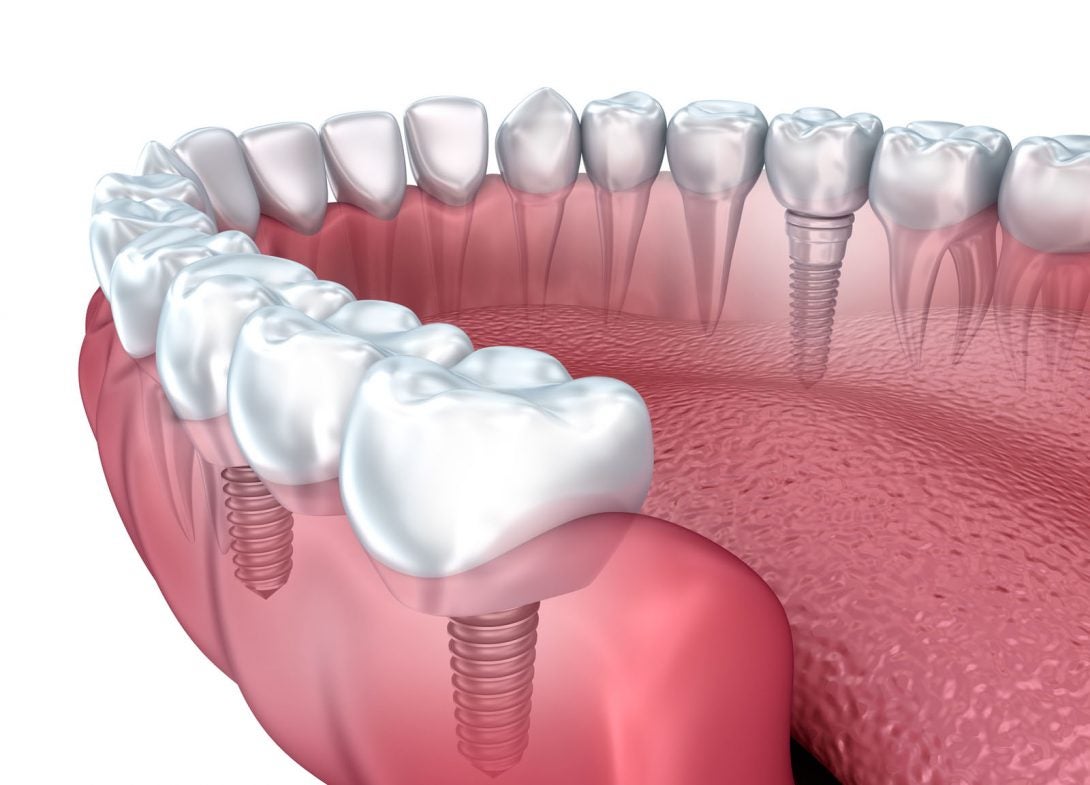
Losing a tooth may do a lot more than affect your smile. Gaps in your smile may alter the way you eat, talk, feel inside your mouth and the way your remaining teeth come together. Over time, changes may also occur in the jaw and tissues around the teeth. Dental implants are an essential therapeutic option in patients who want to replace lost teeth in a more permanent fashion.
Dental implants are designed to replace a missing tooth from the bottom up, as opposed to removable solutions that rest on top of the gums. They support a dental crown, bridge or implant-supported restoration and may be a long-term part of a well-thought-out strategy for your oral health.
Understanding How Dental Implants Work
A dental implant is a tiny metal post implanted in the jawbone to replace a lost tooth. It may be utilised as a false root of a tooth and provides a firm basis for the replacement tooth that is visible. Once implanted, the implant steadily grows into the surrounding bone as the body recovers.
Those considering Sydney Dental Implants will be given a complete assessment prior to the operation. This usually involves an assessment of the individual’s dental health, the quantity of bone available, the condition of the gums, the medical history of the individual and the location of the lost tooth. These factors may help the dentist decide whether implant therapy is for you and how to arrange it.
One size does not fit all in the case of treatment. Some individuals only require one implant; others may need more than one to support a complete set of replacement teeth.
A Long-Term Focus On Tooth Replacement
They are built to endure, and it is one of the major reasons why individuals choose dental implants to replace their missing teeth. Traditional removable dentures may need refitting as the mouth changes, and traditional bridges tend to rely on adjacent teeth for support. Dental implants are different because they have the jawbone itself to support them.
With proper planning, skilled maintenance and excellent oral health, implants can secure new teeth for a lengthy period of time. But life should never be viewed as a promise that implants continue forever. Long-term results may be influenced by gum health, oral hygiene, smoking, general health, biting power, and receiving regular dental treatment.
Patients should be made aware that implant therapy is not a one-off event but a long-term commitment to their dental health.
Supporting Comfortable Everyday Function
The missing teeth might make it difficult to bite or chew certain meals. People may start to prefer one side of their mouth or avoid items that require more energy to chew. New teeth to replace the ones that are missing may give you the chance to chew more evenly again.
Implants are cemented into the jaw; therefore, implant-supported fillings are created to remain in place while you go about your daily business with your mouth. If your false teeth are giving you trouble or are difficult to care for, then this security can be of interest to those looking for Sydney Dental Implants.
Planning your treatment is still extremely essential since the ultimate outcome relies on such variables as the position of the implants, the quality of the bone, the design of the restoration, and the health of the neighbouring teeth.
Jawbone Health After Tooth Loss
Under normal biting and chewing, the natural roots of the teeth put pressure on the jawbone surrounding them. When you lose a tooth, that region is no longer receiving the same input. Over time, this might modify the bone thickness.
Dental implants are not like tooth substitutes that merely sit on the gums. They work with the jawbone in a different manner. The implant, when placed into the bone, serves as the foundation for the restoration at the site of the original root.
“Before we put in an implant, we have to check the bone. If there is not enough bone before or during therapy, further surgery can be an option. How to accomplish anything “right” depends on the particular health circumstance.
Replacing One Or Several Missing Teeth
Implant therapy for various forms of tooth loss may be customised. If you are missing one tooth, one implant and a cap may replace it. Instead of placing a separate implant for every single tooth, an implant may sometimes support a bridge when numerous teeth are missing.
Full arch crowns supported by implants are also a possibility for those who have lost a number of teeth. When considering Sydney Dental Implants, it is essential to keep in mind that the number of implants required is determined by clinical requirements, not merely the number of lost teeth.
A tailored treatment plan helps to determine the optimal restoration based on function, available bone, oral health and maintenance over time.
Caring For Dental Implants Over Time
Dental implants don’t acquire cavities like natural teeth, but you still have to be extremely careful with the gums and bone surrounding the implants. Plaque accumulation surrounding an implant may cause it to expand and potentially damage the muscles that hold it in place.
So, it’s crucial to brush your teeth every day, clean the gaps between your teeth well and receive frequent expert inspections. Also, people need to do precisely what their dentist advises them to do during cleaning.
At frequent checkups, the implant, restoration, gums, bite and surrounding teeth may all be checked. Treating alterations when they are first seen makes them simpler to treat and helps the health of the mouth in the long term.
Making An Informed Treatment Decision
Dental implants may be a solid and long-term option for replacement of lost teeth, but not everyone may be a suitable candidate for them. A comprehensive examination enables patients to discuss the many phases of treatment, healing time, potential dangers, expenses, maintenance demands and alternative options for tooth replacement.
When thinking about dental implants in Sydney, concentrate on a complete examination and custom planning instead of selecting a treatment only based on appearances. With correct planning and care, dental implants may replace missing teeth and enhance eating comfort, daily function and confidence in your smile for years to come.